
🧪 Inputs: fertiliser and chemicals
Inputs are the biggest line in a crop budget and the easiest place to waste money. This guide covers what to buy, how much to apply, when to apply it, and how to keep yourself and your workers safe.
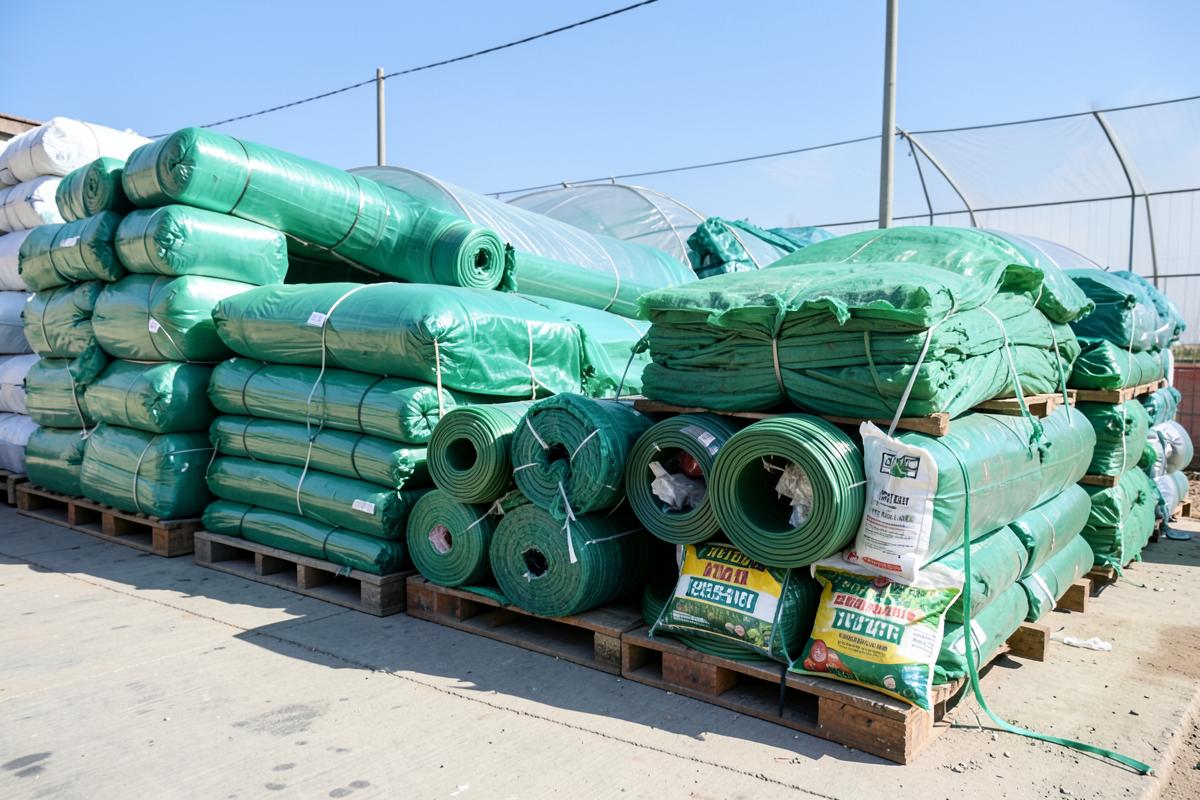
- Basal fertiliser
- Applied at planting, banded beside and below the seed
- Top dressing
- Split: knee height and again just before tasselling for maize
- Spray water volume
- 200–300 l/ha with a calibrated boom; calibrate every season
- Re-entry
- Follow the label interval before anyone re-enters a sprayed field
Buy on analysis and on proof, not on price alone
Counterfeit fertiliser and expired chemicals are common. Buy from registered suppliers, keep the receipt, and check the label and batch number.
- Read the analysis (for example N:P:K plus S and Zn) and compare cost per kilogram of nutrient, not per bag.
- Check the expiry date, the seal, the registration number and that the label is in English.
- Keep receipts and batch numbers — they are your only recourse if a product fails.
- Buy early. Prices rise sharply once the rains start and everyone is buying at once.
Fertiliser: right rate, right place, right time
Base your rate on a soil test and your yield target. Splitting nitrogen protects it from leaching and matches the crop's demand.
- Correct pH with lime first — fertiliser on acid soil is money poured away.
- Apply all phosphate and potash as basal at planting; band it, never broadcast on sand.
- Split nitrogen top dressing into two applications, on moist soil, and cover it where you can.
- Watch for deficiency signs: pale lower leaves (nitrogen), purple leaves (phosphate), leaf margin scorch (potassium), white striping (zinc).
- Include sulphur and zinc where the soil test shows a shortfall — small amounts, large effect.
Chemicals: identify first, then spray
Spray the problem you actually have. Correct identification, correct product, correct rate and correct water volume, applied at the right growth stage.
- Herbicides: pre-emergence needs moist soil; post-emergence needs small, actively growing weeds.
- Insecticides: scout weekly and use thresholds — fall armyworm needs early, targeted sprays into the funnel.
- Fungicides: mostly preventative. Once disease is widespread, you are limiting loss, not curing it.
- Rotate active ingredients between seasons to slow resistance.
- Never mix products unless the label or an agronomist confirms compatibility.
Mixing, calibration and safety
Most spray failures are mechanical: blocked nozzles, wrong pressure, wrong water volume. Calibrate before the first spray of the season.
- Calibrate: measure output per nozzle, walking or driving speed and boom width, then work out litres per hectare.
- Half-fill the tank with clean water, add product, agitate, then top up. Spray within the same day.
- Wear overalls, gloves, boots, goggles and a mask. No eating, drinking or smoking while spraying.
- Spray in the cool of the morning or late afternoon, never into wind toward homes, animals or open water.
- Triple-rinse empty containers, puncture them and dispose as the label directs. Never reuse them.
- Store chemicals locked, off the ground, away from food and feed, with the original labels intact.
Record every input
A written input record tells you your true cost per hectare, protects you in a residue query and helps an agronomist advise you properly.
- Log product, batch, rate, hectares, date and operator for every application.
- Keep the pre-harvest interval in mind before you sell or feed the crop.
- The FarmInvest app records inputs against each crop and adds them to your cost per hectare automatically.
Checklist
- Soil test read and lime applied where needed
- Fertiliser bought on nutrient cost, receipts kept
- Nitrogen split into two top dressings
- Sprayer calibrated and nozzles clean
- Protective clothing worn and containers triple-rinsed
- Every application logged per block
Keep your own farm records
Create a free FarmInvest account to record land, equipment, inputs, labour and harvest per block, and see your cost per hectare as the season runs.