
Case study: what the tractor hire scheme earned in its first four months
2 September 2026 5 min read
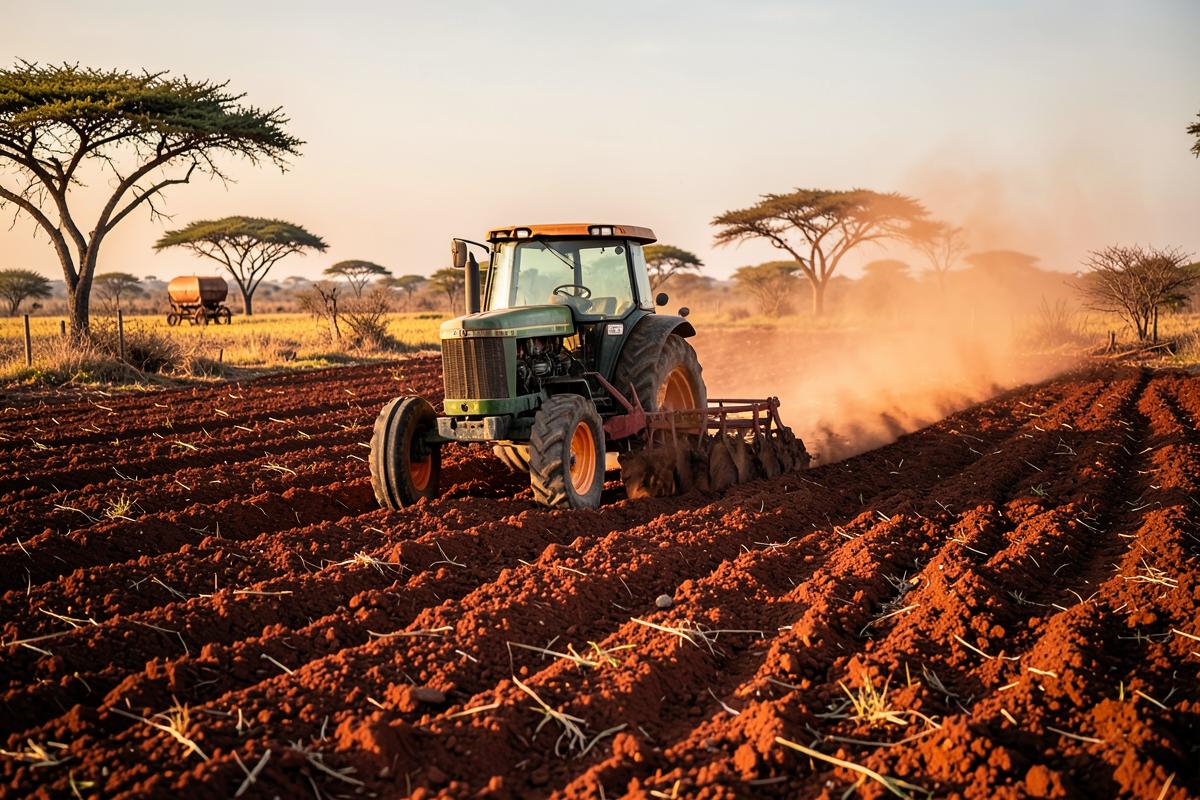
Crop cycles pay once. Tillage pays every time somebody ploughs. The tractor hire scheme was built for investors who want farming exposure with a shorter, more predictable cash cycle, and this is how the first tillage season looked.
How the scheme is structured
Units are sold in fixed amounts and pooled to fund tractors and implements that are hired out for tillage, planting and haulage through the partner tractor network. Units earn from hire income after running costs, with the first returns paid after four months and a five-year term.
- Verified partner operators only, with documents checked before a tractor joins the network
- Every job is booked, quoted per hectare and receipted in the app
- Fuel, operator, servicing and repairs are deducted before returns
Utilisation is the whole business
Tillage demand is concentrated into a few weeks before planting rains. A tractor that works 18 hectares a day in that window and sits idle afterwards earns very differently from one that also does haulage and post-harvest work. Bookings are scheduled to keep units working outside the peak.
The numbers from the first season
Across the first four months, hired units averaged roughly 62% of available working days in the peak window and about 30% outside it. Diesel and operator costs were the largest deduction by far, followed by servicing. After deductions, the pool distributed its first payout on schedule at the lower end of the projected range, mainly because two units lost days to hydraulic repairs.
What we changed for the next season
Servicing is now scheduled before the tillage window instead of during it, a spares float is held for the two most common failures, and bookings open earlier so the peak calendar is filled before the first rains. Utilisation is the number investors should ask about every quarter.
Ready for the next step?
Farming and investing both go better with clear numbers. Start where it suits you.
Related articles
- Farm investment in South Africa and Zimbabwe: how it actually worksInvesting · 6 min
- The real risks of farm investment in South Africa (and how they are managed)Risk & returns · 7 min
- Farm investment returns explained: gross yield, deductions and what actually lands in your accountRisk & returns · 6 min