The real risks of farm investment in South Africa (and how they are managed)
5 September 2026 7 min read
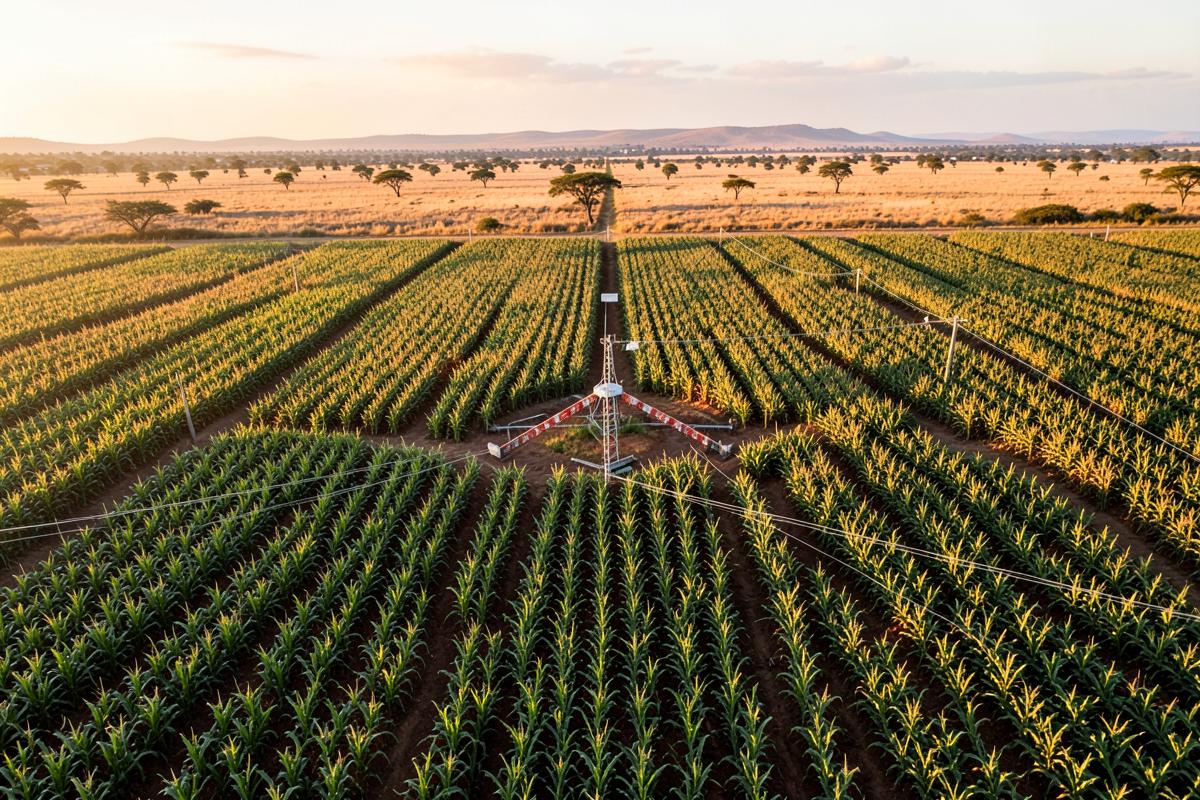
Anybody who promises you a risk-free farming return has told you the one thing that is definitely untrue. Farming returns in South Africa are real and they can be very good, but they are earned by managing a short list of risks that repeat season after season. Here is that list, in the order it usually costs investors money.
1. Water and weather
Rainfall in the summer-rainfall regions is unreliable and heat waves during flowering can cut a maize or bean yield by a third. This is the single biggest driver of variance in a dryland crop.
- We favour projects with irrigation, boreholes or tunnel production over pure dryland gambles
- Planting dates are set with an agronomist, not by convenience
- Tunnel and greenhouse cycles reduce weather exposure and lift price certainty
2. Power and water infrastructure
Irrigation depends on electricity. Load-shedding and pump failures cost yield quietly, because the crop is stressed for days before anybody sees it. Projects are screened for backup pumping, diesel or solar capacity and standby scheduling before they are listed.
3. Input cost inflation
Fertiliser, fuel, chemicals and seed are priced in dollars and move with global markets. A budget written in July does not survive to planting if it has no contingency. Every project budget carries a contingency line and inputs are bought as early as cash flow allows, which is one of the reasons funds must be committed before the season starts.
4. Market and price risk
Fresh produce prices on the Johannesburg market can halve in a glut week. A perfect crop can still deliver a poor return if everybody harvests in the same fortnight.
- Staggered planting so the harvest is spread across several weeks
- Live market price tracking so selling decisions are made on data, not rumour
- Contracts and offtake agreements where they are available
5. Operator and governance risk
Most farming losses that reach investors are administrative, not agricultural: no records, mixed bank accounts, no proof of spending. Investor funds are held through a conveyancing arrangement and released against milestones, spending is recorded against the project, and every position has a written contract with the deductions agreed in advance.
6. Currency and liquidity
If you invest in dollars and the project earns rands, the exchange rate at payout matters as much as the yield. Farming is also illiquid — money is committed for the cycle, typically four to twelve months, and cannot be pulled out mid-season. You choose your payout currency, the rate used is shown at the time, and you should only commit money you can leave in for a full cycle.
Ready for the next step?
Farming and investing both go better with clear numbers. Start where it suits you.