Farm investment in South Africa and Zimbabwe: how it actually works
6 September 2026 6 min read
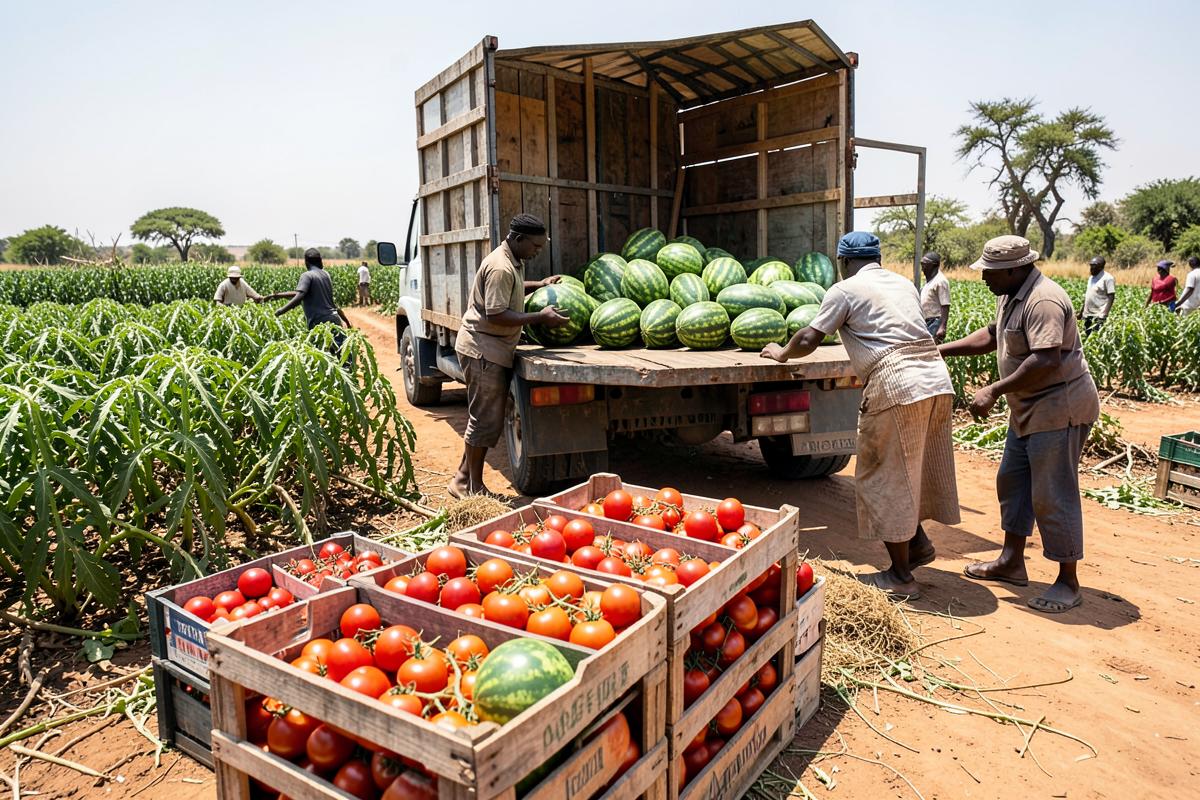
Farming is one of the few investments where you can walk onto the asset, count it and photograph it. That is also what makes it demanding: money must land before planting, and returns only arrive after harvest. Here is how a FarmInvest cycle is structured from the first conversation to the final payout.
You fund a cycle, not a vague fund
Every opportunity on FarmInvest is a specific farming cycle on a specific piece of land — a crop, a hectarage, a planting window and a harvest window. Before you commit anything you see the terms, the expected duration and what the money is used for.
- Land, crop or livestock batch and hectares are named up front
- Input, labour and equipment costs are itemised
- The expected payout window is tied to the harvest, not a calendar promise
Funds are held through conveyancing
Money does not go into a personal account. Investor funds are held through a conveyancing arrangement and released against the project's milestones, so spending follows the plan that was agreed with you.
You get updates while the crop is in the ground
Milestone updates, field photos and a running statement are posted to your investor portal. When costs are deducted, you see the deduction and the reason for it, not only a final number at the end.
Be honest about the risks
Farming carries weather, disease, market-price and currency risk. A dry spell or a price collapse at harvest changes returns. FarmInvest reduces risk with agronomist oversight, record-keeping and diversification across projects, but no farming return is guaranteed and you should invest only what you can leave in for a full cycle.
Ready for the next step?
Farming and investing both go better with clear numbers. Start where it suits you.
Related articles
- The real risks of farm investment in South Africa (and how they are managed)Risk & returns · 7 min
- Farm investment returns explained: gross yield, deductions and what actually lands in your accountRisk & returns · 6 min
- Case study: a six-month tunnel tomato cycle, from funding to payoutCase studies · 6 min