
The tractor hire scheme: turning equipment into an income asset
14 August 2026 4 min read
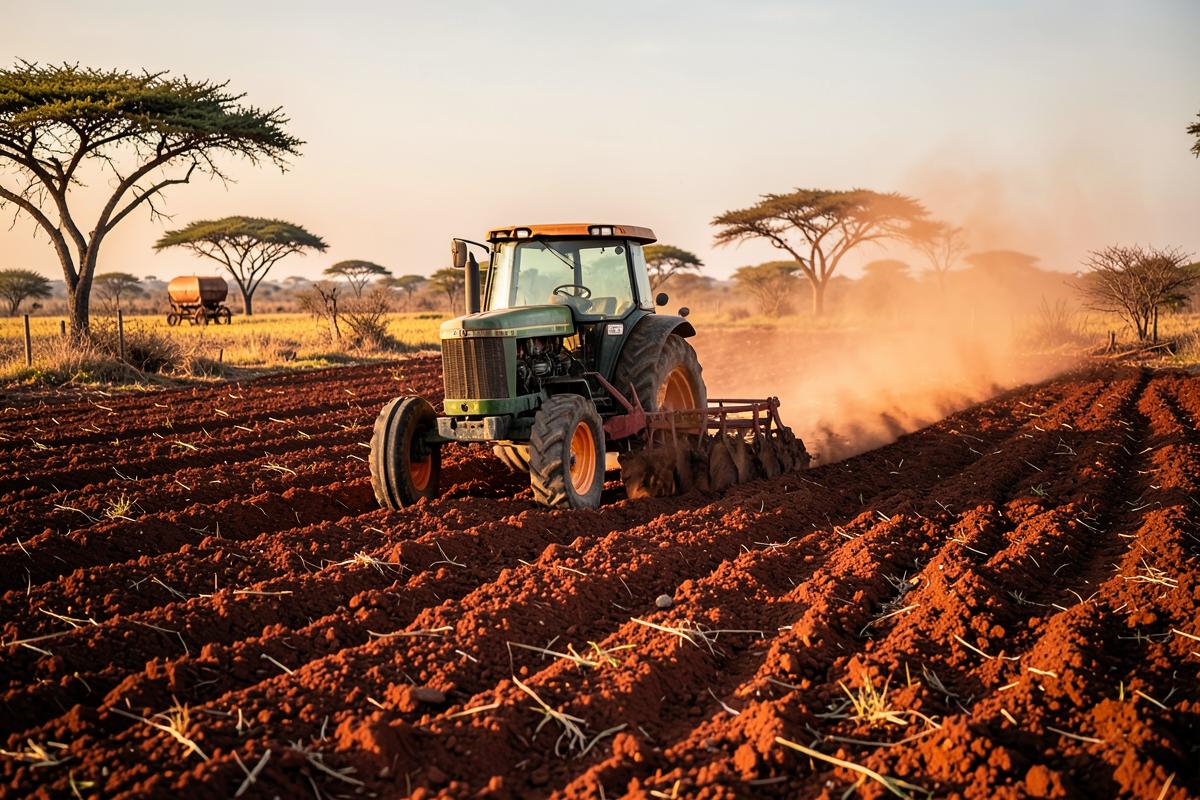
Tillage is the bottleneck in most smallholder seasons. Farmers wait for a tractor, plant late and lose yield. The tractor hire scheme funds working machines that earn from that demand.
How the scheme is structured
The scheme is deliberately simple, and the current terms are shown on the invest page.
- A limited number of units in the scheme
- A stated minimum placement per investor
- Returns begin after the initial four-month build-up period
- A five-year term, with statements throughout
Why tillage demand is reliable
Ploughing and discing demand repeats every season across the same district, and the partner tractor network books jobs through the app with a rate card and receipts. Utilisation, jobs and payments are recorded rather than estimated.
What you can see as an investor
Your portal shows your units, bookings against the fleet and your running statement, so income is traceable to real jobs.
Ready for the next step?
Farming and investing both go better with clear numbers. Start where it suits you.
Related articles
- Farm investment in South Africa and Zimbabwe: how it actually worksInvesting · 6 min
- The real risks of farm investment in South Africa (and how they are managed)Risk & returns · 7 min
- Farm investment returns explained: gross yield, deductions and what actually lands in your accountRisk & returns · 6 min