Why investors are backing documented farms instead of informal deals
28 August 2026 5 min read
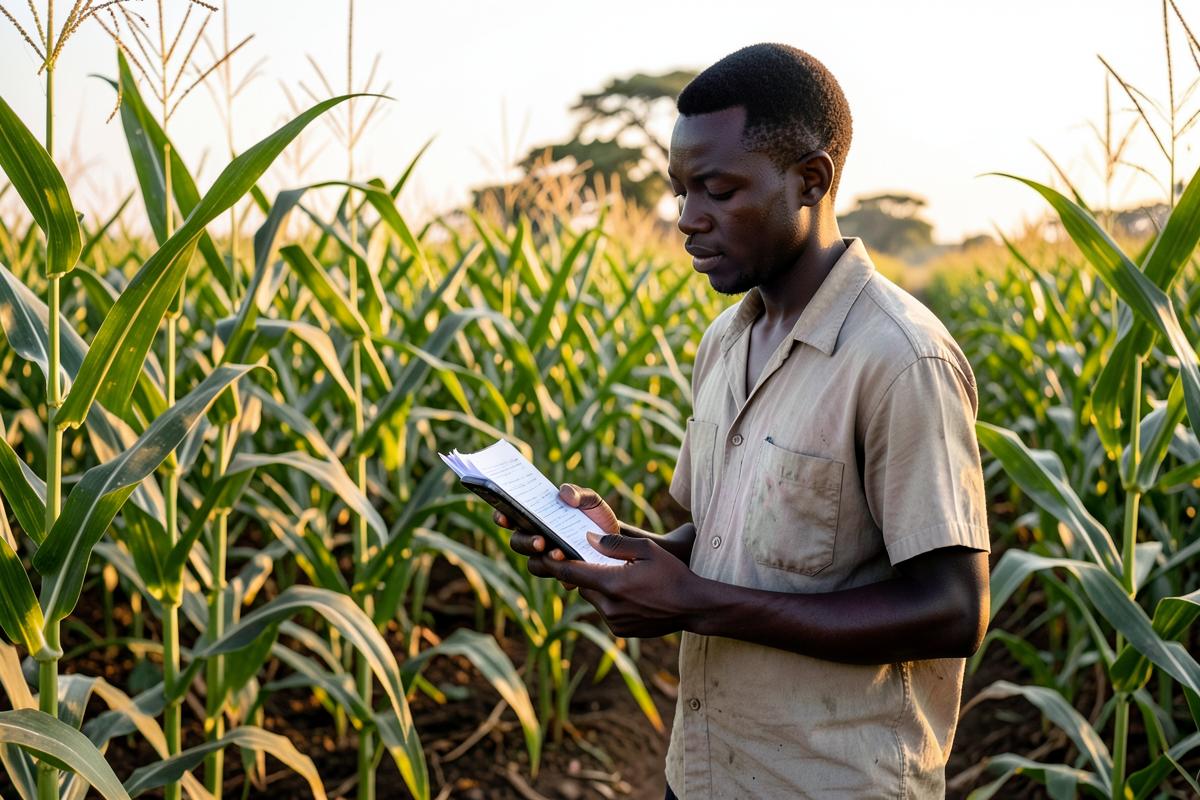
Most farming deals that disappoint investors were never bad farms. They were farms with no records: nobody could say what a field cost, what it produced or where the money went. Documentation is the single biggest difference between a farming punt and a farming investment.
Records turn a farm into a business
When every input, labour day, fuel litre and sale is captured against a field or a batch, you can calculate cost per hectare and margin per crop. That is what lets a farmer improve next season and what lets an investor judge the last one.
What to ask for before you commit
Whether you invest through FarmInvest or elsewhere, ask for these five things.
- The cycle plan: crop, hectares, planting and harvest dates
- A costed input schedule, not a lump-sum budget
- Who holds the money and how it is released
- How and how often you will be updated
- What happens if the crop underperforms
Diversify across cycles
Rather than one large placement into one crop, spreading across cycles, crops and countries softens a bad season. Our team can show you how a placement spreads across the current opportunity list.
Ready for the next step?
Farming and investing both go better with clear numbers. Start where it suits you.
Related articles
- Farm investment in South Africa and Zimbabwe: how it actually worksInvesting · 6 min
- The real risks of farm investment in South Africa (and how they are managed)Risk & returns · 7 min
- Farm investment returns explained: gross yield, deductions and what actually lands in your accountRisk & returns · 6 min